National Walking Challenge for People with a Migration Background
From Vision to Action
The National Walking Challenge began ten years ago as an initiative of the Bas van de Goor Foundation
(BvdGF), an organization founded by the Olympic gold medal-winning volleyball player of the same name. From
the outset, there was a clear recognition of the need to include people with a migration background,
who
face a higher risk of chronic obesity in the Netherlands.
This urgent need was first addressed in 2021 through a collaboration between BvdGF, the Turkish Dialogue and
Social Connection Association (DSB), and Novo Nordisk. Together, they developed a tailor-made version of the
National Walking Challenge (NWC) for individuals with a migration background — the NWC-PMB — which was
piloted in key cities across the Netherlands.
The new framework focused on forming walking groups led by key figures from the Turkish, Moroccan, and
Surinamese communities. Within a year, the program proved to be so successful — both in terms of
cost-effectiveness and reach — that it received official support from the Dutch Ministry of Health, Welfare
and Sport to be scaled up nationally.
Community-Powered Prevention
The National Walking Challenge for People with a Migration Background (NWC-PMB) mobilizes
community-driven, culturally sensitive prevention programs to combat obesity among groups often overlooked
by traditional healthcare systems.
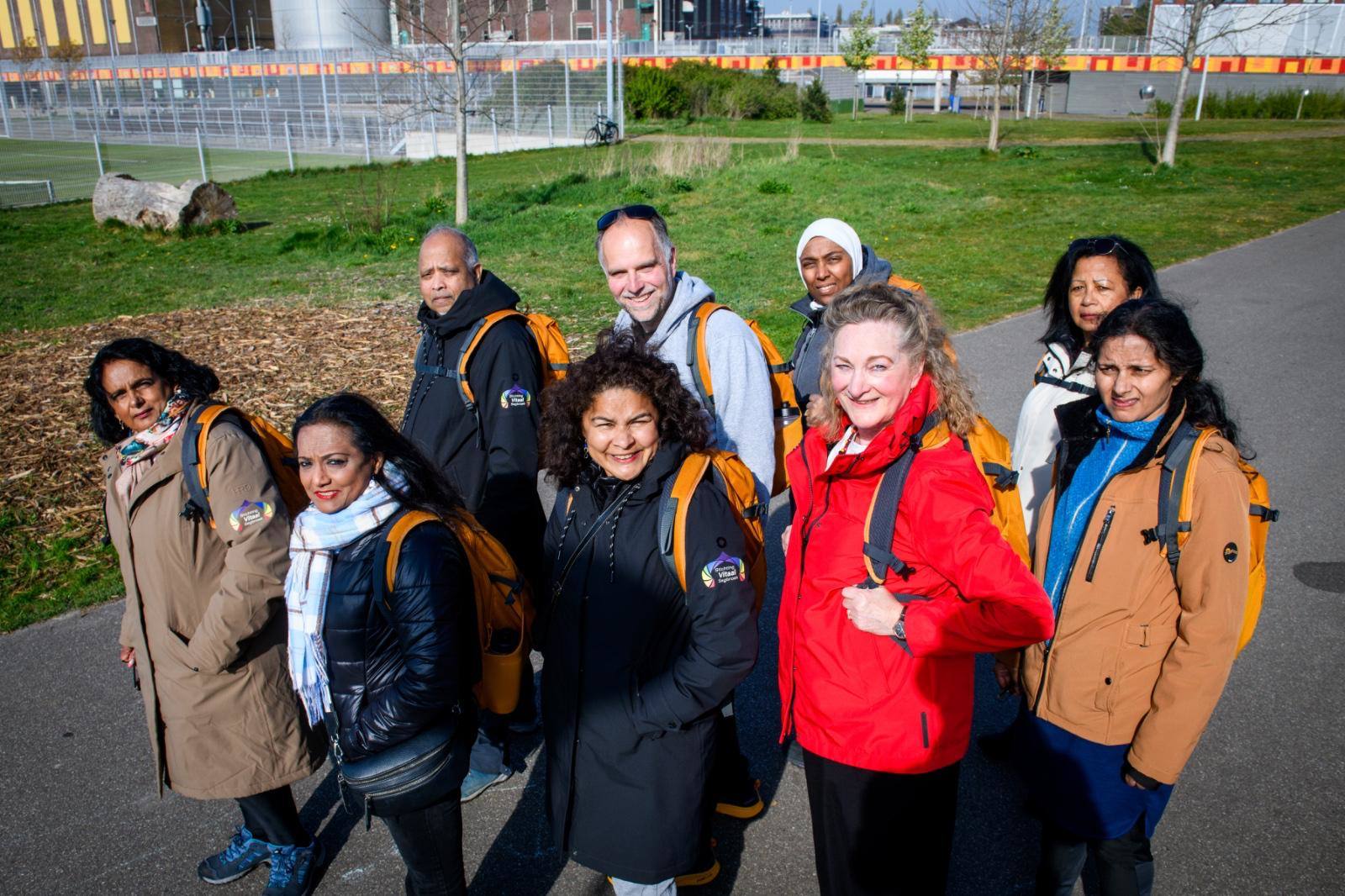
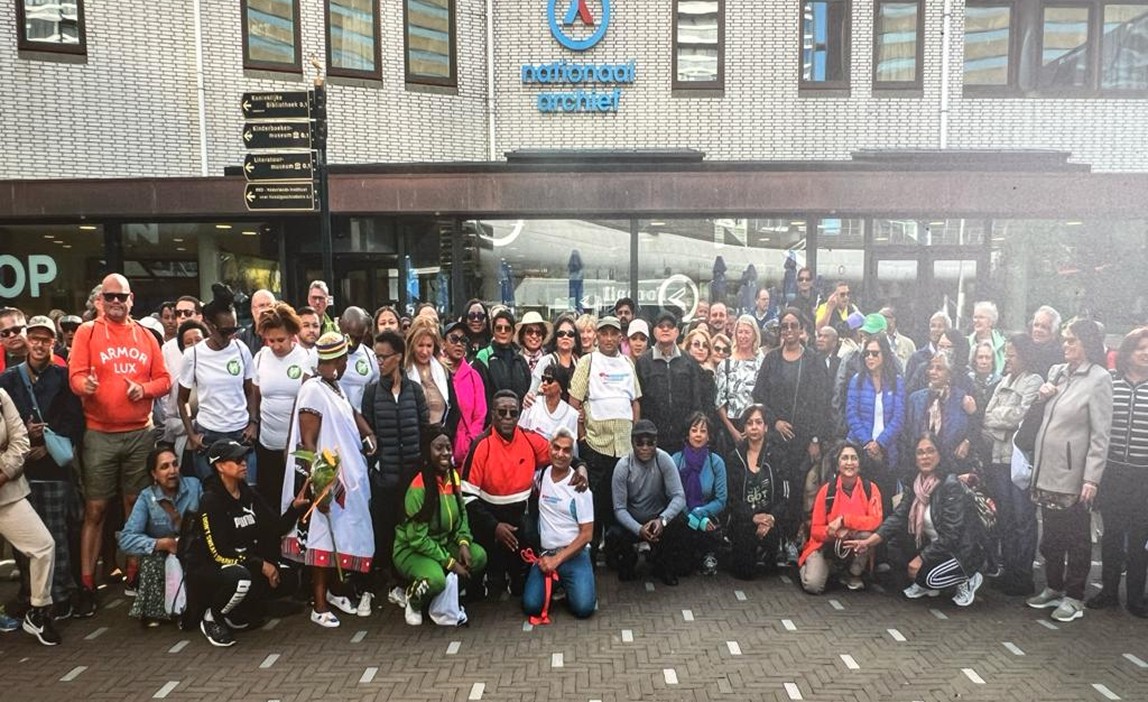
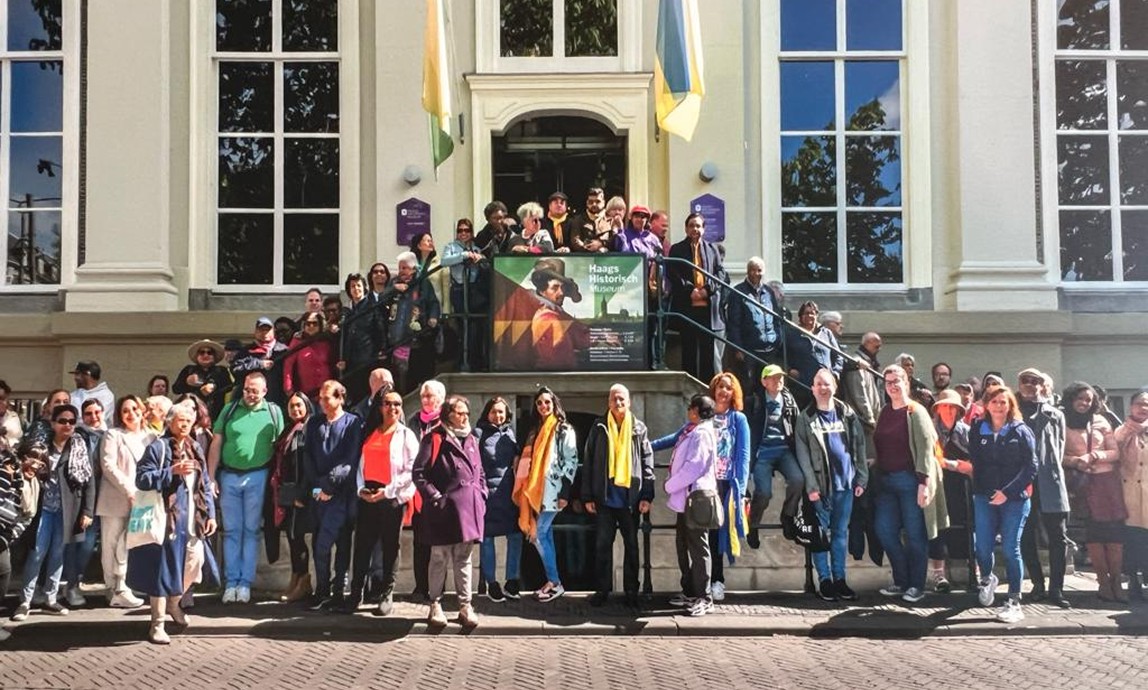
Today, the program supports more than 140 walking groups across the Netherlands. Each group receives a modest
budget to cover essentials like water and coffee, as well as a small payment for the key figures who lead
the groups. There are no reporting requirements tied to the funding — the only condition is to walk once a
week for 20 weeks. By removing bureaucratic hurdles and lowering the threshold for participation, every
group has successfully completed the 20-week challenge — and the vast majority continue walking today.
Affordability and simplicity are core to the program’s success, but its greatest strength lies in the sense
of agency it fosters within communities. Local leaders are given the freedom and support to guide their
groups in ways that reflect their own cultural context, often integrating community-building activities.
This shared ownership allows them to mobilize resources, knowledge, and experience in ways that resonate
with their communities. The program’s flexibility enables continuous learning from participants, recognizing
that those closest to the ground often hold the clearest insight into local barriers and solutions. By
supporting, validating, and empowering these diverse perspectives, the program has successfully implemented
a locally informed approach — one that not only reaches the most underserved groups, but also gives them a
shared purpose around which to build lasting community.
Global Recognition for Local Walks
In 2025, the National Walking Challenge for People with a Migration Background (NWC-PMB) was nominated for
the UN NCD Task Force Award. Endorsed by
the South African Embassy in the Netherlands, the nomination highlights the program’s ability to reach
underserved communities, empower local leaders, and redefine prevention through trust, simplicity, and
cultural connection. What began as a grassroots initiative has grown into a movement – one that now inspires
global collaboration and continues to walk toward a future of health equity for all.
1 / 6
2 / 6
3 / 6
4 / 6
5 / 6
6 / 6
❮
❯
- Pictures by Waldo Koendjbiharie
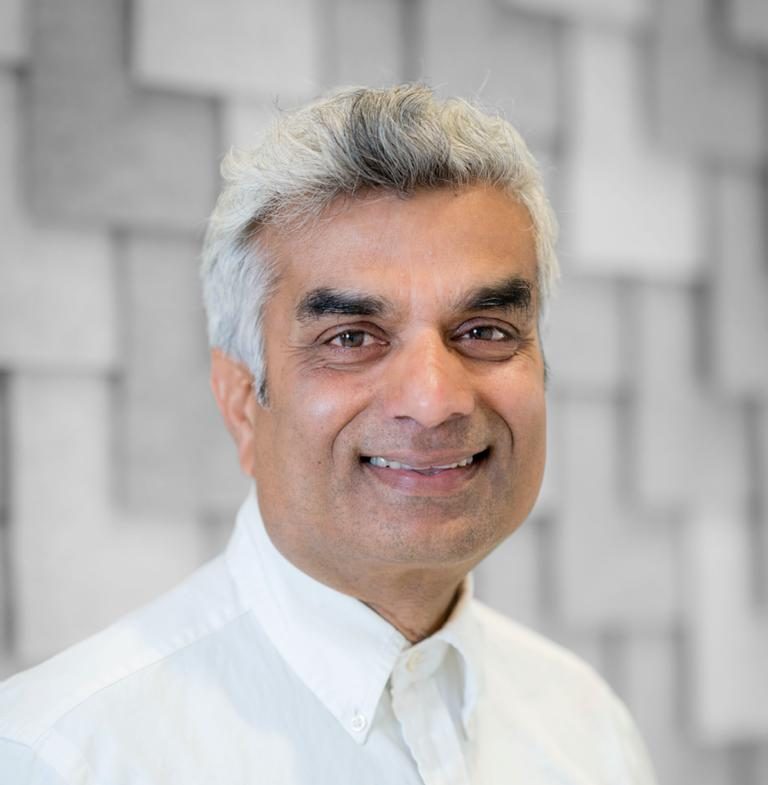
Frank Kanhai
Community Organizer
Frank Kanhai organizes and guides various walks. In addition to his work at the
Dutch National Archives, he finds joy in the challenge of bringing people and organizations together
and connecting them through walking.
Frank takes special pride in themed walks such as the ‘Nelson Mandela Walk’, ‘Gandhi
Walk’ and ‘Peace Walk Europe’. Aiming to motivate people, he incorporates culture in his walks and
seeks to inspire cooperation among diverse groups and organizations. His guided tours take place in
The Hague, as well as internationally in Belgium, Suriname, and Mauritius.
For his contributions to communities, Frank was awarded the prestigious Dutch Order
of Orange-Nassau in 2024.
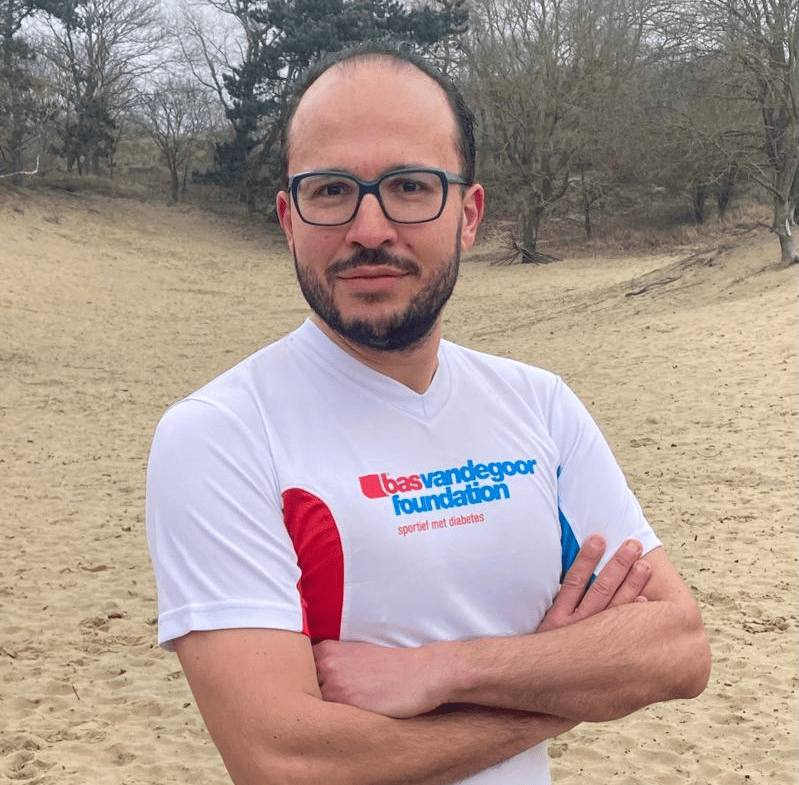
Younes Bouadi
Project Leader
Younes is committed to inclusive diabetes prevention. He does this on behalf of,
among others, the Bas van de Goor Foundation and Cities for Better Health. Younes has more than a
decade of experience as a cultural producer, during which he carried out projects in various
conflict zones. He worked in Syria, Mali, Palestine and the Philippines, among others, where he
specialized in the role that culture plays in making a community resilient in the midst of a strife.
He is now translating this experience to the healthcare sector in the Dutch context.
He looks at how vulnerable communities can make themselves resilient to unhealthy environments
through their cultural identity.
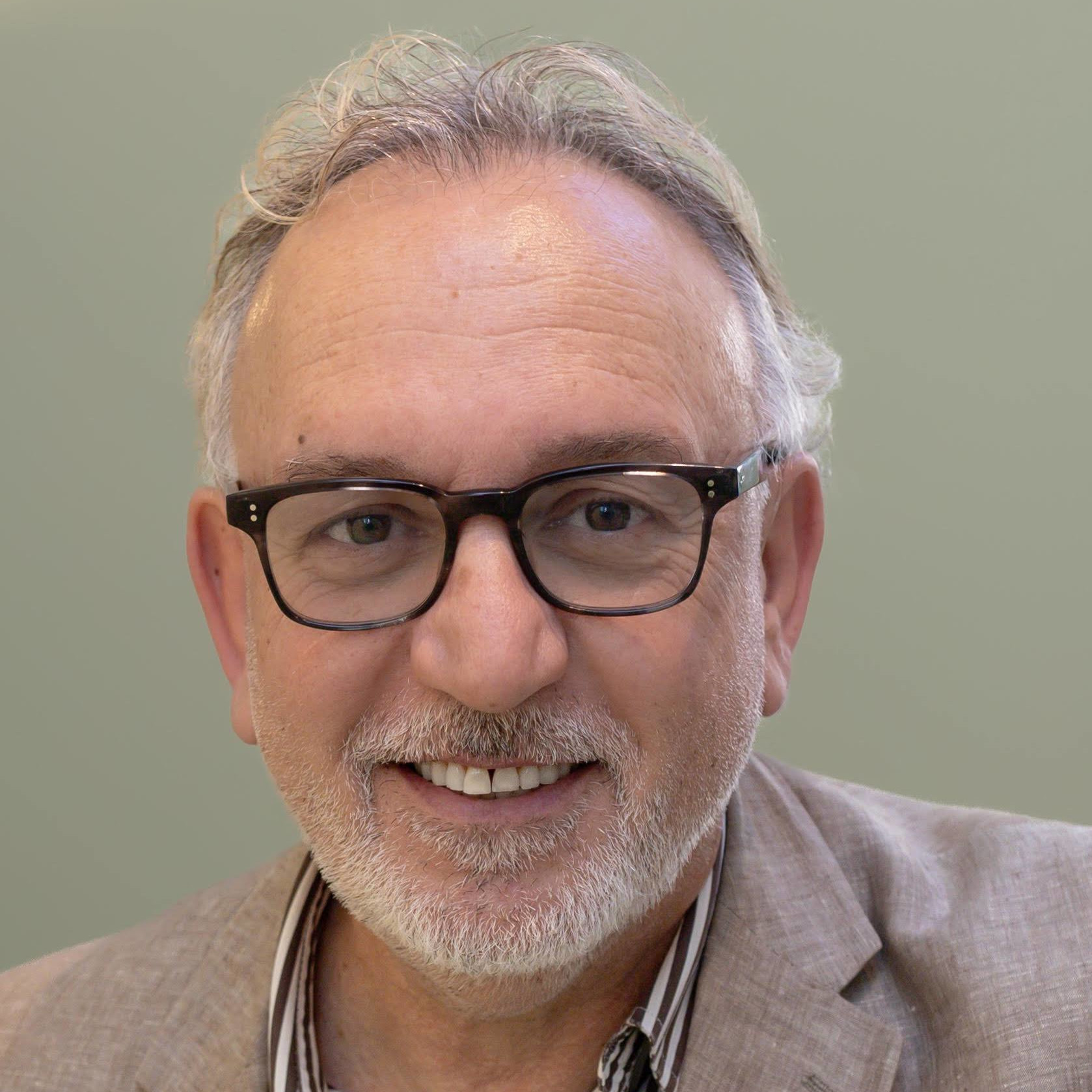
Ömer H. Ilik
Co-founder and Project Leader
Ömer Ilik's journey into health advocacy began with a life-changing cancer diagnosis
in 2019. Following surgery and chemotherapy, Ömer was also diagnosed with pre-diabetes. Reflecting
on his past, he realized the need for a healthier lifestyle.
Determined to make a change, Ömer started daily walks and improved his diet.
Discovering the profound benefits of walking, he collaborated with the Bas van de Goor Foundation
and Novo Nordisk Foundation to develop ‘My Diabetes in Motion’, a precursor of the current NWC-PMB.
His mission is to encourage early physical activity to prevent severe complications from diabetes.
Since 2023, Ömer has been a project leader for the National Walking Challenge,
representing the Social Connection Association (DSB). His role focuses on reaching migrants in
disadvantaged neighbourhoods and identifying key community figures to lead walking groups.
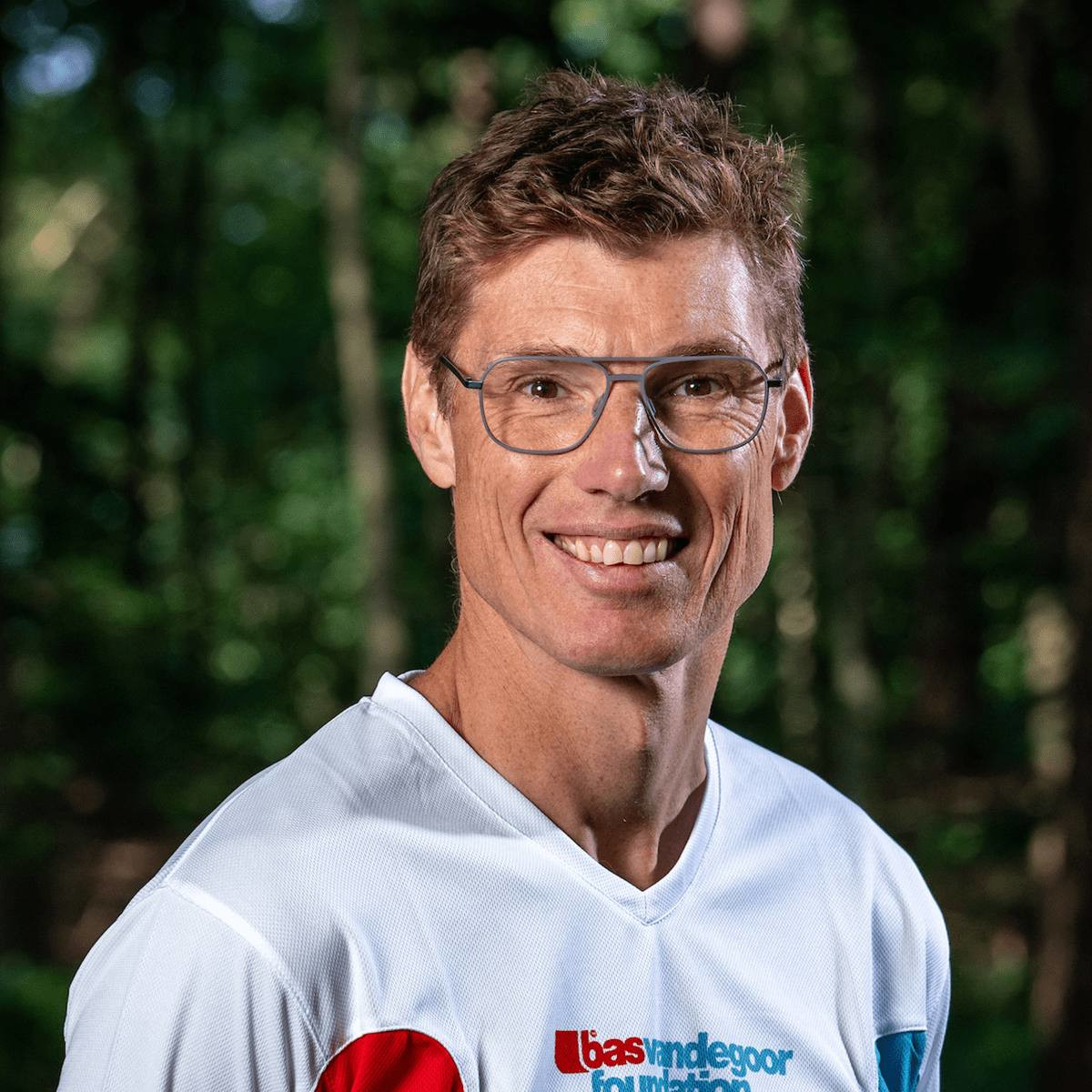
Bas van de Goor
Co-founder
Bas van de Goor is the founder and director of the Bas van de Goor Foundation. A
former professional volleyball player, Bas represented the Netherlands at two consecutive Summer
Olympics, winning a gold medal in 1996. Diagnosed with type 1 diabetes in 2003, Bas turned his focus
to improving the quality of life for people with diabetes through sports.
Under his leadership, the Bas van de Goor Foundation has been instrumental in
promoting health and physical activity among diverse communities. Bas believes that walking can
significantly improve health outcomes and emphasizes the importance of collaborating with key
figures from various communities.
Bas' commitment to inclusivity and health promotion is evident in his efforts to
reach those often overlooked by traditional healthcare channels. His vision and dedication have
earned the support of the Dutch Ministry of Health, Welfare and Sport, enabling the walking program
to scale nationally.
Sophie Rijntjes
Co-founder
Sophie has experienced inequality of opportunity and limitations in freedom as a
child with a chronic condition. These experiences made her realize at a young age that there is
still much to be gained in the healthcare sector. She sees it as her personal mission to reduce the
number of people who feel like patients, despite the rising number of chronically ill individuals.
Therefore, she enthusiastically dedicates herself to health promotion and prevention projects at
Novo Nordisk.
Through existing collaborations, Sophie has connected the Bas van de Goor Foundation
with the Association DSB. And through co-creation, this valuable program was born. Sophie believes
that the experiences from the communities themselves are heartwarming and invaluable, and that they
deserve to be more visible. She emphasizes that embedding these efforts into the system is essential
to continue serving the communities well.